by Morgan Vonder Haar
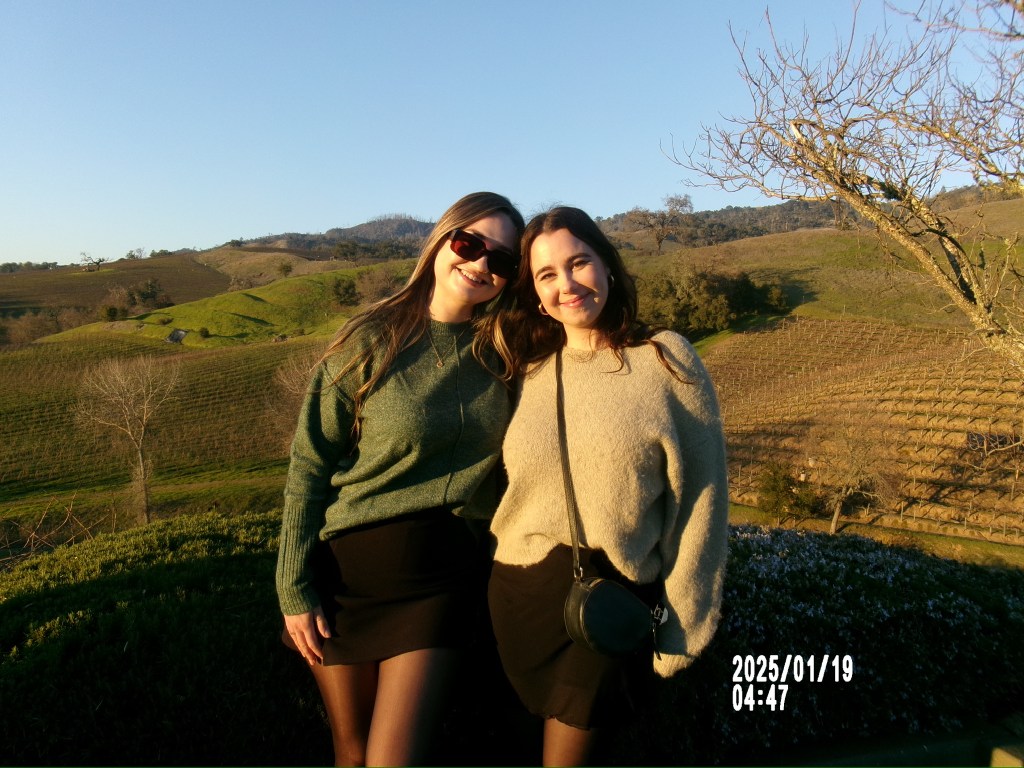
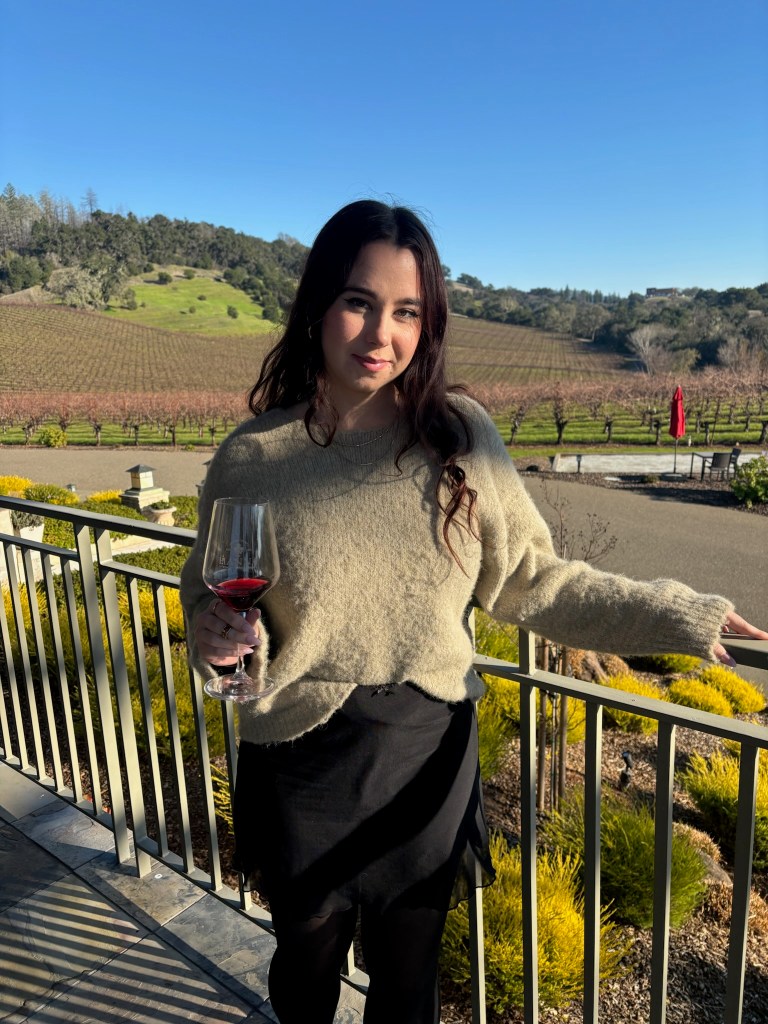
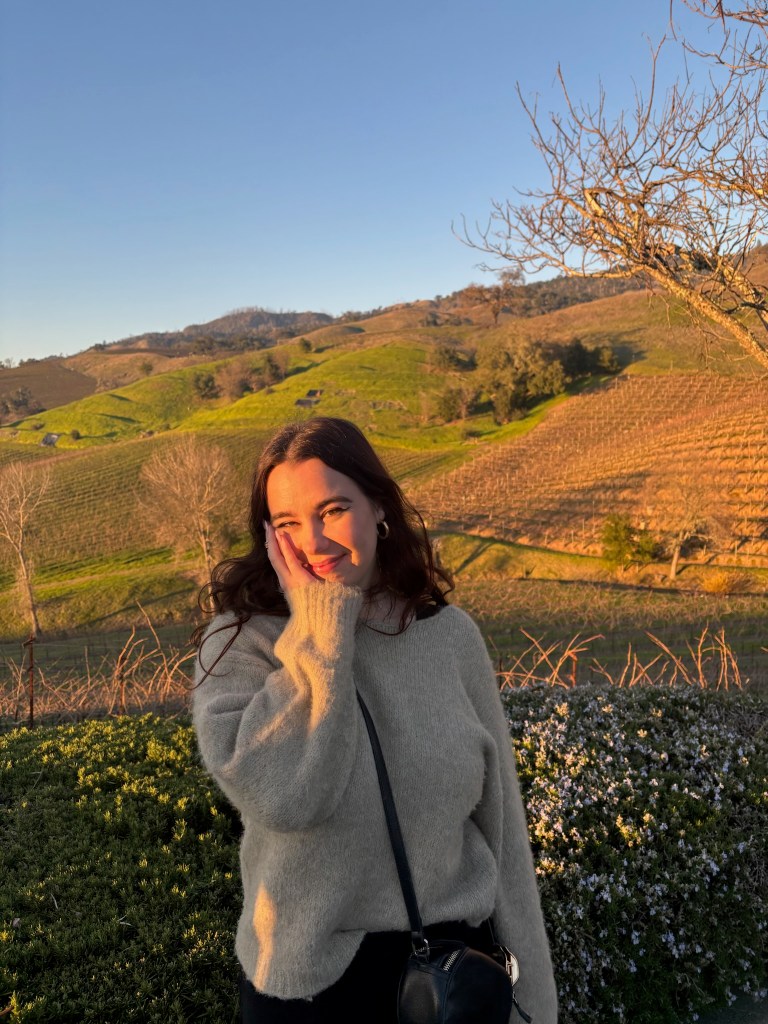
Spring is here and I found myself celebrating my best friend at a beautiful winery, La Creme in Santa Rosa, California. We sat outside on a wooden picnic table, enjoying the sun. It was warm enough for tank tops and sandals. I could take off my sweater for the first time in months and point my chin towards the sun, soaking in the sweet sweet vitamin D. It was 75 degrees (F) — perfect for a chilled white wine, a wine to beckon in the summer heat.
The menu had three options for wines: pinot noir, rosé and chardonnay. They had a large selection of all three of these wines from all over the county, each from different microclimates with different flavors profiles. Today was perfect for an award-winning chardonnay. We sat there for a few minutes, with the pourer waiting on our decision. We took the time to debate the best bang-for-our buck while taking in everyone’s preferences. I am not picky when it comes to wine, I am too poor to be picky.
However, it was the perfect day for a chardonnay. The fruity flavor profile just felt like spring. Aromas of lemon, pear and white flowers followed by flavors of crisp golden apples and pineapple. Vibrant, juicy and balanced. The first taste on the tongue reminds you of the sweetness of heaven and the acidity brings you back down to Earth. This wine is a living history of new world flavors and old world regality. Nothing feels better than to walk amongst the flowers, in a cute outfit with all my worries traded in for a glass of wine.
But no one wanted the chardonnay. Devastating.
My heart holds a place for chardonnay, the wine of the people. It goes with almost any dish — chicken, turkey, smoked fish, spicy Asian cuisine, garlic, guacamole, tomatoes, mushrooms, soups, cheese. It is also placed in the center of celebratory sparkling wines, bringing balance and finesse. Chardonnay has pushed its way into the households of many, for all the tears and cheer… so how could anyone turn their nose?
This is not just an ordinary grape or an ordinary wine, chardonnay is the grape for creatives, the white wine fit for your summer and winter. It can grow in a variety of different climates and as a result has a variety of different flavors. It is grown in France, California, New York, Washington, Canada, Australia, New Zealand, Italy, South Africa and more. The climate and harvesting decisions can turn these grapes into dry still wines, sparkling wines and sweet wines. The grower plays a key role in beauty that is Chardonnay, years of work and experience pass our lips with each sip.
It is no surprise then that chardonnay is the most widely planted green-skinned grape in California. It is a grape of multitudes.
California is the nation’s wine country with over 80% of US wine coming from the state. Wine creates jobs for over a million Americans and generates $170.5 billion in annual economic activity. While the industry can be lucrative, it does not stop the money from flowing and the jobs from growing.
My interest in chardonnay peaked earlier this year while I was wine tasting in Northern California. My parents are big wine drinkers with very specific tastes, and while I don’t have my own preferences yet I have made it my summer mission to become more knowledgeable about wine, especially as I love being a know-it-all.
Most of my friends would agree that after a few glasses of wine (and even before), I am an incredibly chatty young lady. So I have been talking to the people making the wines and/or pouring our glasses. While most of my friends ignore the little spiel about the wines, I have been paying attention… or as much as I can after a few glasses. What I have gathered has been concerning for wine lovers, economy watchers and climate change experts.
Apparently, this noble grape is under the threat of irreversible damage from climate change. Climate change will have a significant impact on the country’s beloved wine industry affecting both the harvesting practices and the overall taste of the wine.
In Northern California, one of the biggest threats is changing weather patterns, including the large wildfires. As native Californian, I have seen my fair share of fires and have been evacuated from my home as a result. When fires occur, the last thing on anyone’s mind is wine – people are more likely to be concerned for their possessions, homes, loved-ones, their community. It is frightening, people fleeing and unsure if their community will survive to see the end of the day or the end of the week. When I had evacuated, I was riddled with anxiety and left with PTSD that prevents me from enjoying the smell of a bonfire or the gusts of strong summer winds.
But regardless if anyone is thinking of it, the wine is being affected. The fires in 2017 and 2018 basically destroyed the entire wine harvest and anything that survived… well let’s just say it has hints of smokiness.
More than just the fires, hotter and longer summers as well as increased rainfall affect the quality and quantity of the grapes. The hotter weather causes the grapes to ripen earlier as they do not receive as much of the cool fog in the early mornings and late evenings.
Okay, so what? This is just one grape out of a dozen other varieties. But it’s not! Wine is for the romantic, something to facilitate a kiss or a conversation. It is the elixir of life and history and love, it brings people together no matter the occasion. But climate changes are putting both your fancy wines and box wines in danger. How can you have a girl’s night without a classic wine like chardonnay?
No but seriously, wine brings people together. Wine isn’t just a drink. It represents the livelihoods of millions and the destruction of the industry only cues us into the darkness ahead if changes aren’t made.
Here is my plea, if you haven’t started considering your environmental impact… now is your chance. Truly start separating your trash and compost. Start shopping for environmentally friendly wines and food brands. Let’s at least minimize our own personal waste and save one of life’s cheeky pleasures. It is worth your time to care about the environment.
If you are an avid wine drinker as well, it is worth your time to do research into sustainable wineries and wines. Environmentally-friendly wineries utilize sustainable farming to encourage soil fertility and biodiversity. They rely less on pesticides and chemical fertilizers. They are also using green forms of energy like solar or wind power, using compost and recycling methods as well as decreasing water waste (which is especially important in drought-ridden California). Perhaps the next time you are out wine tasting or deciding between two bottles at Trader Joes, it might be worth your time to do a little research and ask the question, “how was my wine made?”


One response to “In Defense of Chardonnay”
[…] and I were off to meet more friends in the park for an afternoon of folly. The genius that is Morgan Vonder Haar put together a Survivor-style game, complete with voting-off and confessionals. My confession? […]
LikeLike